

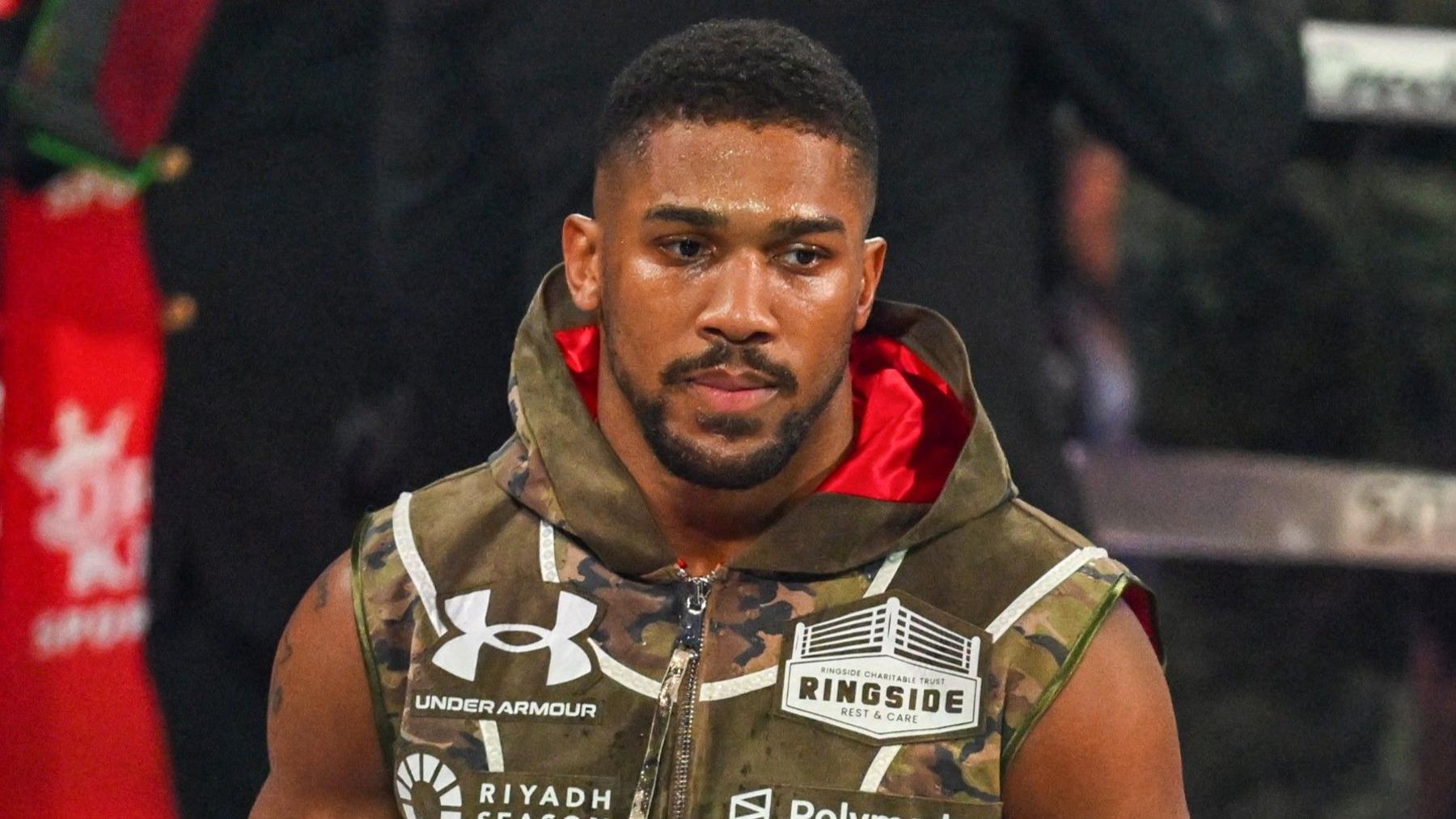
Anthony Joshua’s latest training clip is only a few seconds long. The context behind it is the part that makes people pause.
Nineteen days after a car crash in Nigeria that killed two close friends and members of his team, the former heavyweight champion posted a video of himself back in the gym, hitting pads. One caption said it plainly, and quietly: “mental strength therapy.”
That single phrase now sits at the center of a complicated picture: a superstar athlete returning to routine, a grieving friend trying to keep moving, and a public figure whose every post gets parsed for meaning.
What BBC Sport Says Happened Near Lagos
BBC Sport reported that Joshua, 36, sustained minor injuries in a crash on 29 December while he was in Nigeria. Two of his close friends and team members, Sina Ghami and Latif “Latz” Ayodele, were killed.
According to the report, the vehicle Joshua was riding in collided with a stationary truck on a major road near Lagos. Ghami and Ayodele died in the crash.
The basic facts, as laid out by BBC Sport, are stark. Joshua was a passenger. Two men in his inner circle did not make it home.
The Post That Triggered the New Conversation
In the days after tragedy, fans often look for signs. In Joshua’s case, the sign was training footage. BBC Sport said he posted a video on Snapchat showing him working out and hitting pads. Over one clip was the line: “mental strength therapy.”
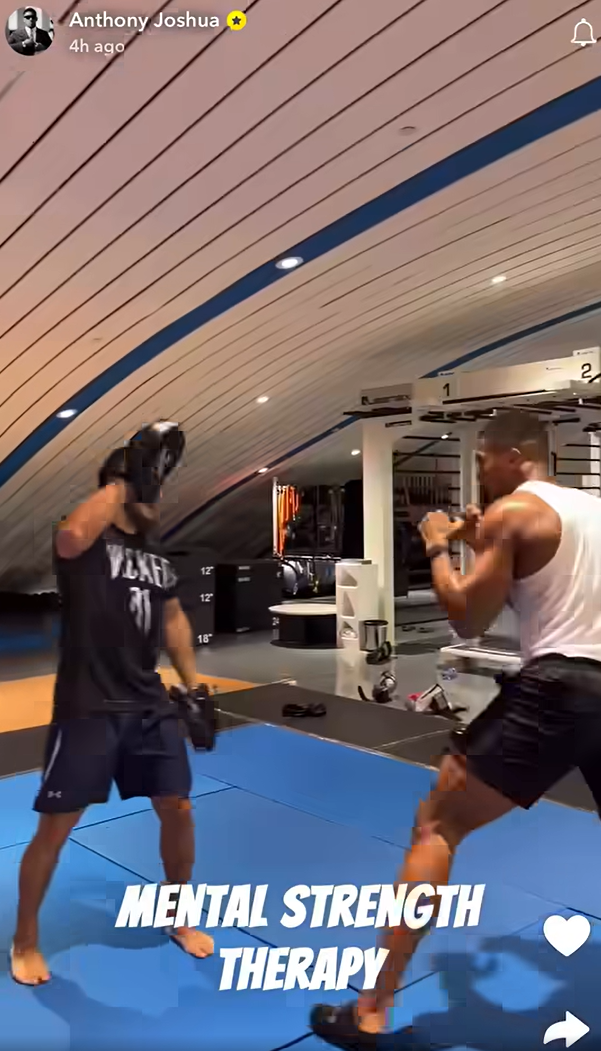
There are multiple ways that kind of post lands. Some see discipline and survival. Others see a rush back to normal. The reality is that elite sports have always had an unusual relationship with grief. Training can be a job requirement, a coping mechanism, or both.
Joshua did not announce a comeback date or a new bout in the footage described by BBC Sport. The clip, as reported, read more like a personal note than a promotional push.
The Men Joshua Lost Were Not Background Characters
Joshua also made the loss explicit in a tribute posted on Instagram last week, BBC Sport reported. The two men were not distant acquaintances. Ghami was described as his strength and conditioning coach. Ayodele was described as his trainer.
Joshua’s words on Instagram were personal and specific, the kind of language that suggests everyday closeness rather than celebrity ceremony.
“I didn’t even realise how special they are,” he wrote. “I’ll just be walking with them and cracking jokes with them, not even knowing God kept me in the presence of great men.”
Then he widened the lens beyond himself, and toward the families who have to live with the worst part.
“100% it’s tough for me, but I know it’s even tougher for their parents.”
In tabloid terms, the contrast is the story. A world-famous fighter posts about pad work, then writes about parents burying children and the shock of realizing what you had only after it is gone.
Timeline Whiplash: Jake Paul Win, Then Holiday, Then Catastrophe
The timing adds another layer. BBC Sport noted that Joshua beat Jake Paul in Miami on 19 December, just 10 days before the crash occurred, while he was on holiday in Nigeria.
That puts the last few weeks into a sharp sequence: high-profile fight, holiday, then a fatal crash involving the people who helped him prepare and perform. It is not just a personal tragedy. It is also a professional rupture, because trainers and conditioning coaches are part of the machinery that keeps a heavyweight operating.
And that is where the public curiosity comes in. When a star returns to the gym quickly after a traumatic event, observers naturally ask what it means for the next fight, the next contract, and the next decision. Joshua, so far, has not publicly mapped out what comes next in competitive terms in the material described by BBC Sport.
Why the ‘Back in the Gym’ Image Hits So Hard
Joshua’s fame is built on a particular kind of visible discipline. Fans have watched him rise, win world titles, lose them, rebuild, and keep the machine running. A gym video is normal content for an athlete like him.
But the same normal content becomes loaded after a crash with fatalities. That is the tension. The gym is where champions are made, but it is also where people go when they do not know where else to put the day.
Joshua’s Snapchat caption, as reported by BBC Sport, did not sell a product or tease a bout. It was not bravado. “Mental strength therapy” is the phrasing of someone trying to stay upright.
What People Are Watching Next
For now, the key facts remain the ones BBC Sport has published: the date and location of the crash, the description of the collision with a stationary truck near Lagos, Joshua’s minor injuries, and the deaths of Ghami and Ayodele.
What has not been detailed in the BBC Sport report is any official determination of cause or any broader investigation findings. Without those, any narrative beyond the reported facts risks turning tragedy into guesswork.
Still, the practical questions will not go away. Joshua has lost core members of his performance team. If and when he returns to the ring, fans will look for who is in his corner, how he speaks about them, and whether his grief shows up in his preparation or his timing.
Until then, the most revealing detail might be the simplest one. A heavyweight with everything to lose and nothing to prove in a Snapchat clip goes back to the basics, and labels it exactly what it is, at least for him: “mental strength therapy.”