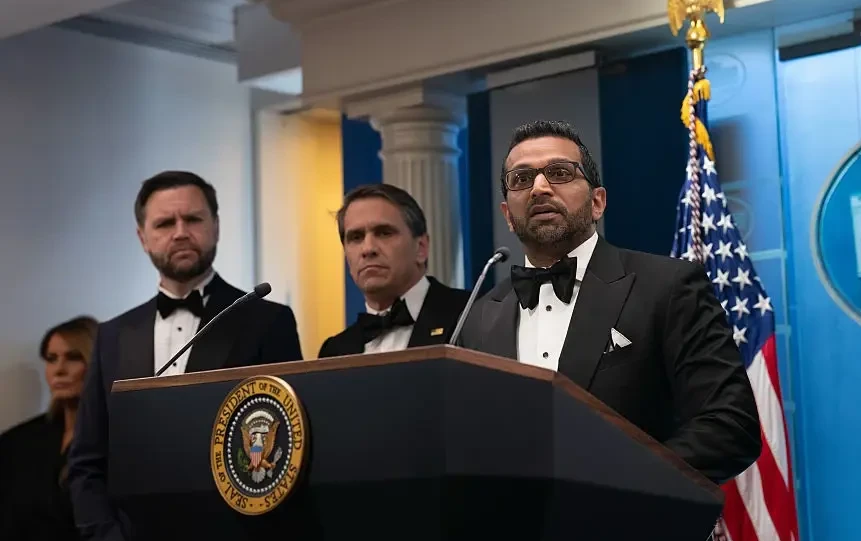
Washington’s fanciest night is built for optics: politicians, press, and celebrities squeezed into one ballroom, all of them pretending the outside world can wait. Then a lawmaker reportedly asked for more protection after a shooting nearby, and the bubble looked a lot thinner.
What You Should Know
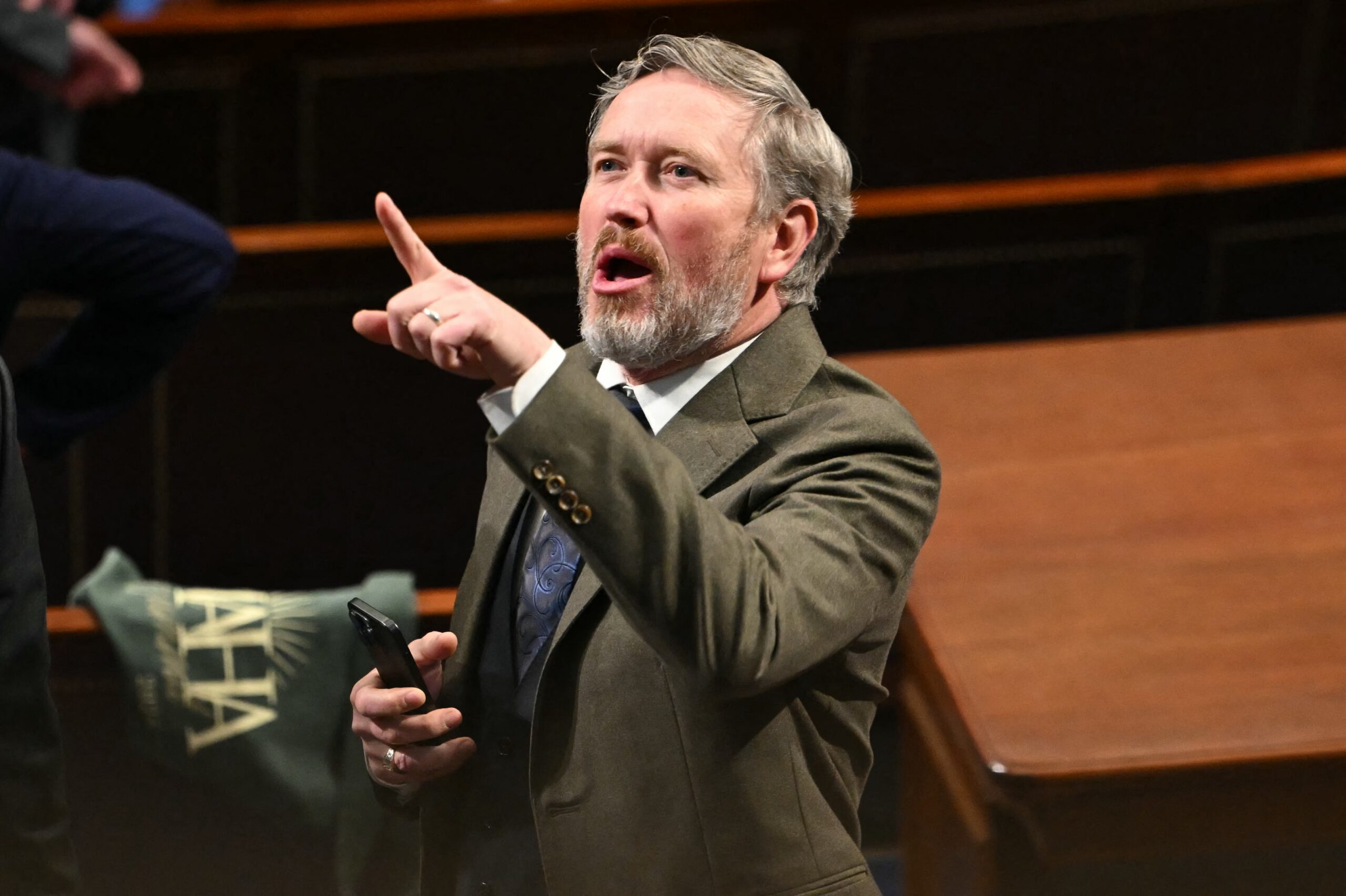
A House lawmaker requested additional security after a shooting near an event tied to the White House Correspondents’ Association dinner, according to The Hill. The request revived questions about what protection members get off Capitol grounds and who pays for it.
The White House Correspondents’ Association dinner, a ritual that mixes power and publicity, is supposed to be a controlled environment. The problem is that the dinner is in one room in one building, and the rest of Washington, D.C., does not pause for the guest list.
The Party, the Perimeter, and the Politics
In The Hill’s account, the shooting did not stay confined to a police blotter. It reached into a world where members of Congress are expected to move through crowds, rope lines, and receptions, often with minimal visible security unless leadership details or specific threats trigger more coverage.
That is where the contradictions start to stack up. The dinner exists to celebrate access and proximity, but the moment something goes wrong near the perimeter, the conversation shifts to barriers, escorts, and controlled movement. The same closeness that sells the event can become a liability when an incident happens outside the doors.
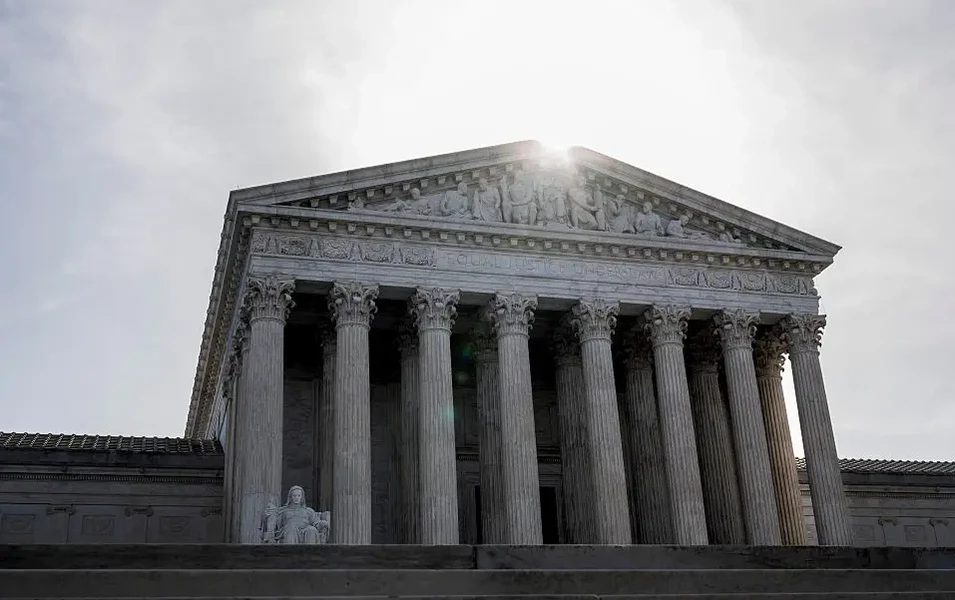
Security for members is also a patchwork. The U.S. Capitol Police protects Congress on and around the Capitol complex, while local agencies handle most street-level policing in Washington. Big events can involve coordination across agencies, but the handoff lines are real, and they matter when a member wants extra protection for travel, hotels, or off-campus appearances.
Protection Is a Perk Until it Is a Fight
Requests for additional protection are not just about safety. They can turn into a political and financial argument because more protection can mean overtime, travel logistics, or changes to schedules, and it can also affect how a lawmaker looks in public. Visibility is currency in politics, and visible security can signal both importance and vulnerability.
Threats against public officials have become a persistent feature of American politics, and members have talked for years about harassment and intimidation following them home. The Hill’s report lands in that reality, where lawmakers want to be accessible until a moment arrives when accessibility feels like exposure.
On its website, the U.S. Capitol Police says, “The United States Capitol Police is responsible for the protection of the United States Congress.” Off the Capitol campus, however, that responsibility often depends on coordination, threat assessments, and the unglamorous question of who has jurisdiction.
What Happens Next
What to watch is whether the incident triggers broader changes around major Washington events that blend politicians and press, including more formal security planning, clearer lines on member protection off-campus, and more visible policing around the venues that host the city’s biggest nights.
For lawmakers, the stakes are simpler: every new request for protection is also a public admission that the job now comes with a security posture that cannot be switched off at the ballroom door.