The Transportation Department writes the rules that keep trillion-dollar industries moving. So when the people writing those rules start moving political money at the same time, Washington notices.
What You Should Know
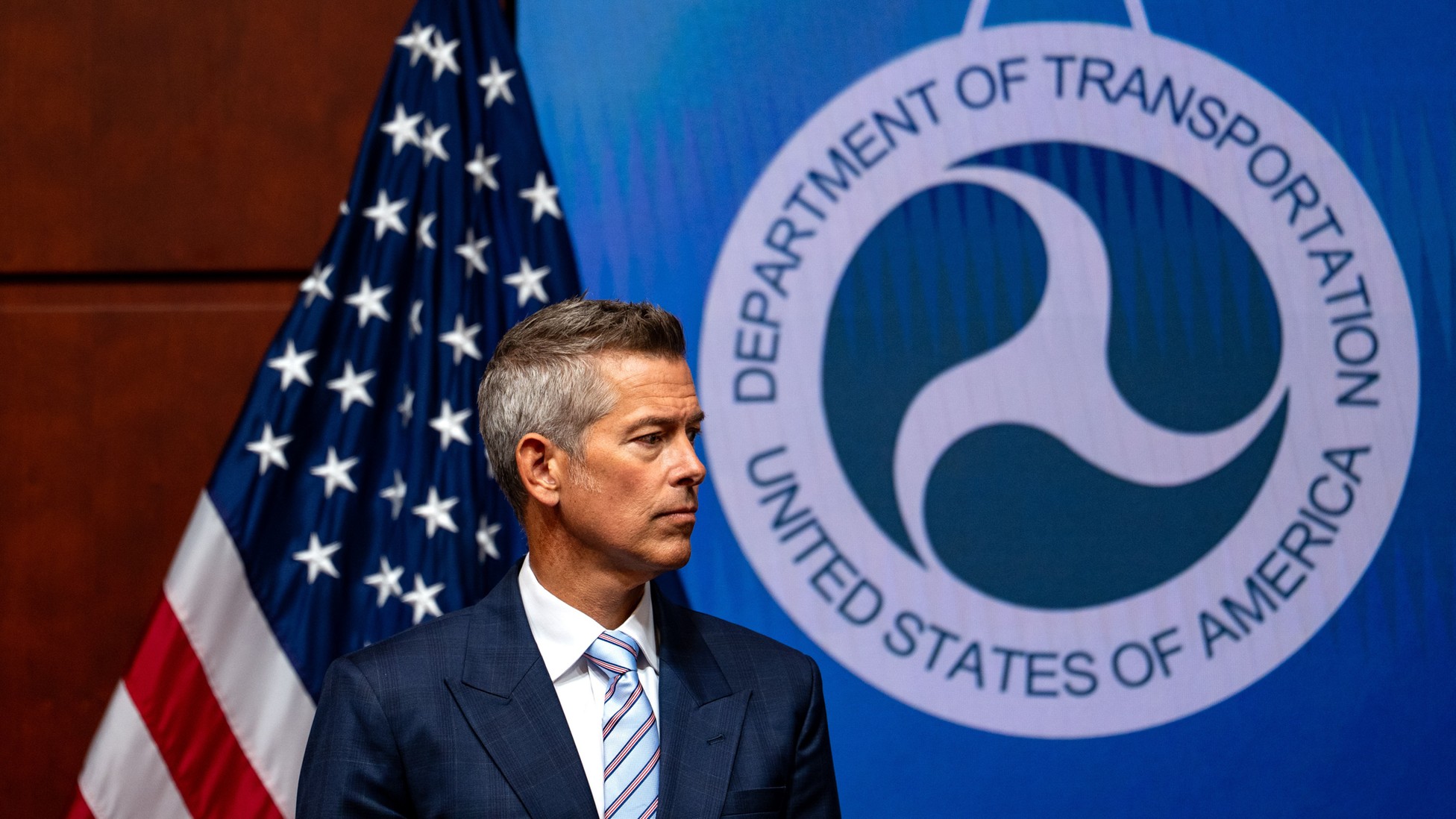
The Atlantic reported that Transportation Secretary Sean Duffy backed flexibility in trucking rules while a new PAC tied to him took in $1 million from a major donor, Richard Uihlein. Duffy’s advisers deny any quid pro quo, citing ethics clearance.
At the center is Duffy, a former House member turned high-profile Republican messenger, and Richard and Elizabeth Uihlein, the deep-pocketed owners of Uline, a Wisconsin shipping-supplies giant with a long record of funding conservative causes and pushing to loosen federal trucking limits.
The $1 Million Question
According to The Atlantic, the Uihleins have spent more than a decade trying to roll back Obama-era limits on truck drivers’ hours. The report said Uline paid about $870,000 to lobbyists to fight what Elizabeth Uihlein argued were cost-raising, efficiency-killing rules.
The policy fight is not small. Federal hours-of-service rules shape crash risk, delivery schedules, and the competitive balance between companies that squeeze drivers and those that do not.
The Atlantic reported that after incremental erosion of the hours-of-service rules during President Donald Trump’s first term, Duffy announced two pilot programs designed to give drivers more flexibility. Then, the report said, Duffy made a separate move unrelated to road safety.
Four months after the pilot programs, The Atlantic reported, Duffy transferred $1 million from a dormant campaign account to a new political vehicle, Northwoods Future PAC. The next month, public filings cited by the magazine showed Richard Uihlein as the only other donor, giving another $1 million.
By the end of the year, The Atlantic reported, the PAC had spent nearly $1.2 million on mailers and TV ads boosting Duffy’s son-in-law, Michael Alfonso, with messaging that framed him as a working-class fighter against insider games.
Duffy’s advisers told The Atlantic there was no quid pro quo, said ethics officials cleared his actions, and added that regulatory calls are guided by “career safety professionals, the law, and the facts.”
Ethics Alarm Bells, and a 250th Anniversary Side Hustle
The Atlantic report said the overlap has alarmed ethics experts, and quoted two former Biden-era ethics officials who said such an arrangement would not have been permitted in that White House. The problem, they argue, is not only what is promised in private, but what the paper trail makes plausible in public.
The magazine also described Duffy showing up on the political side of the industry he regulates, including being listed as a special guest at a fundraiser sponsored by transportation lobbyists, including Delta Air Lines and BNSF Railway. In the same breath, it pointed to public-private partnerships tied to the nation’s 250th anniversary that rely heavily on private industry money and lobbyist-hosted events.
If the facts keep lining up, the next pressure point is not just an ethics memo. It is whether lawmakers, inspectors general, or rival factions inside the administration decide the DOT’s rulebook is starting to look like a campaign asset.