

A giant, empty Utah warehouse went from real-estate orphan to federal priority in one check. Then the new boss at the Department of Homeland Security hit the brakes, and suddenly, the fight is not just about deportations. It is about who controls land, water, and consequences.
What You Should Know
DHS bought an 833,000-square-foot warehouse outside Salt Lake City for $145.4 million on March 11th, 2026, with plans to convert it into an ICE detention facility. After a leadership change, DHS paused conversion plans for that site and 10 other warehouses amid local backlash and legal challenges.
The building, completed in 2022, sits in an industrial zone marketed as “Utah’s Inland Port” near the freeway and the Salt Lake City airport. It had been vacant. Then DHS bought it from a private investment fund controlled by a Deutsche Bank subsidiary, paying far above the property’s 2025 assessed value.
The Price Tag That Launched a Pause
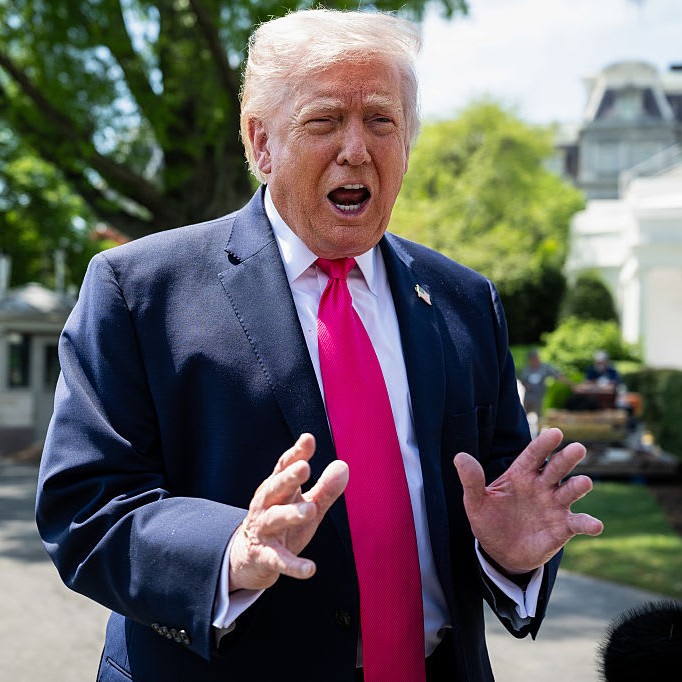
The timeline is the whole story. The purchase landed days after President Trump announced he would remove Kristi Noem as DHS secretary, and Noem’s team had been moving fast to expand detention capacity as part of a broader ICE buildup.
Noem’s replacement, former Sen. Markwayne Mullin of Oklahoma, took over on March 24th, 2026, and ordered a pause on conversion plans at the Utah site and 10 others. A DHS spokesperson, Lauren Bis, framed it as transition cleanup, saying the department is “reviewing agency policies and proposals” and adding, “We want to be good partners.”
But the dollar figures are hard to tuck neatly into any partnering narrative. Commercial real-estate firm CoStar reported that DHS paid above-market rates for early acquisitions. In Utah, the gap was wider than in the rest of the region, according to the same report, and local brokers compared it unfavorably to other large, newer warehouse sales in the region.
Local Leverage, Water, Sewers, and Permits
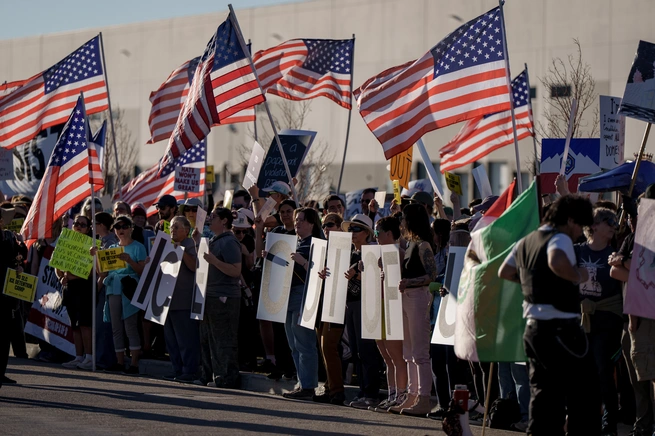
The opposition is not only ideological. Salt Lake City officials have focused on utility strain, including sewer upgrades, pumping capacity, and water demand that rises sharply when a structure designed for pallets and forklifts is repurposed for thousands of people.
That is leverage, because local governments control hookups, permitting friction, and the speed of life. Legal fights are already spreading across other warehouse sites, and local officials in some places have openly resisted cooperation, betting that logistics becomes politics when the facility needs pipes and power.
What Washington Buys When It Buys First
The warehouse buying spree is also being pulled into internal scrutiny at DHS over acquisitions and contracting decisions tied to Noem and Corey Lewandowski, an adviser who has denied allegations of profiteering and denied an affair. The same operation that sold itself as cost discipline also created new choke points, including a policy requiring Noem’s sign-off for spending above $100,000.
Even if enforcement ebbs and flows, the infrastructure does not. Once the federal government owns the square footage, local officials are left negotiating around a building that can be reimagined as a detention hub, and Washington is left explaining why it paid so much, so fast, and with so little local buy-in.
Watch the next moves in two places: court filings that can freeze renovations, and utility negotiations that can stall them. The administration can buy a warehouse. Turning it into a working jail is where the real power struggle begins.