Virginia Democrats are asking voters for permission to do the one thing they have spent years condemning, and they are trying to sound reluctant while doing it.
What You Should Know
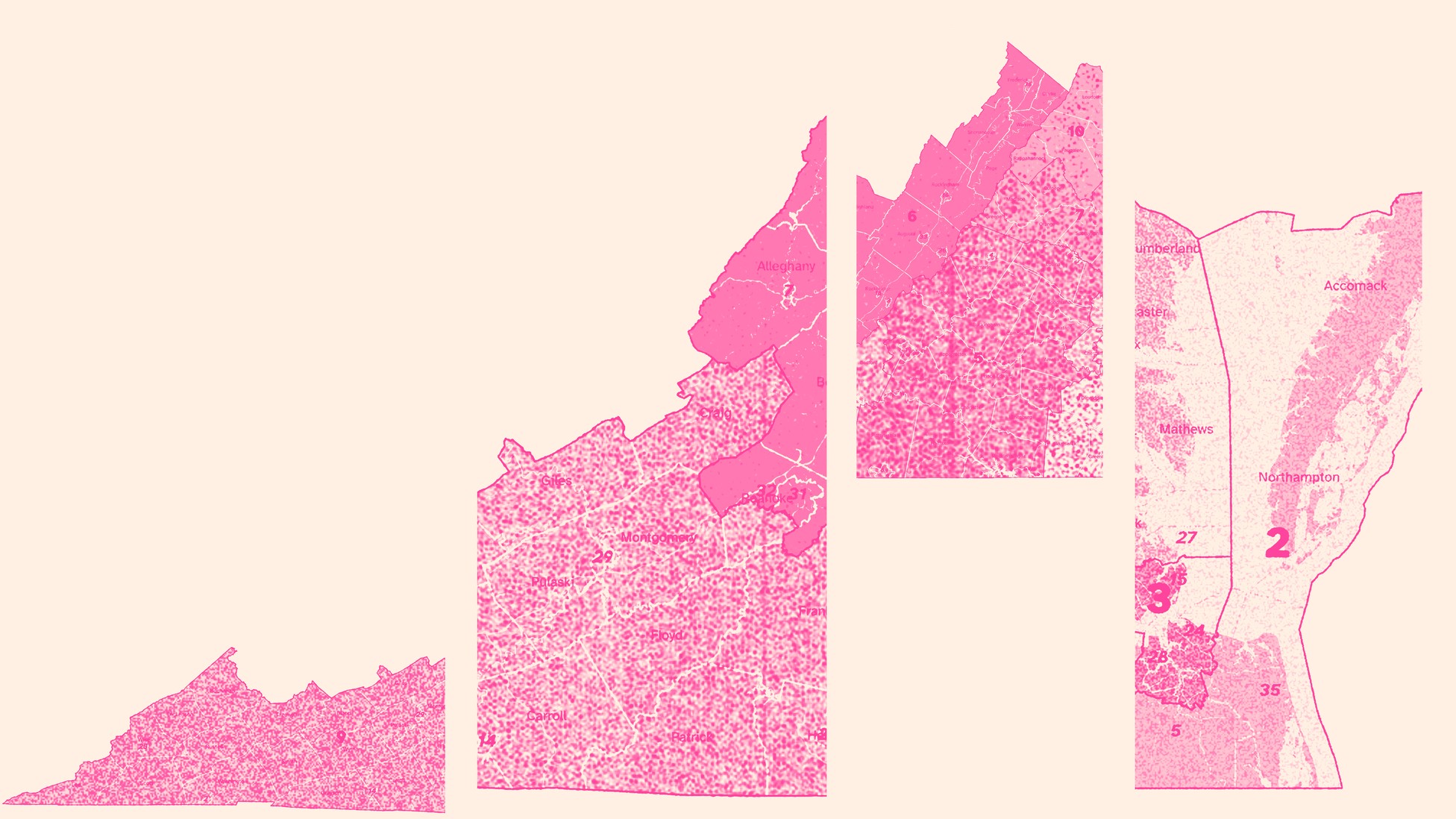
Virginia voters are set to decide in an April 21st referendum whether to temporarily set aside the state’s voter-approved bipartisan redistricting system and adopt new congressional lines. According to The Atlantic, the proposed map could tilt 10 of Virginia’s 11 U.S. House seats toward Democrats, up from a current 6-5 split.
The campaign is being sold as a response to a wider, state-by-state redistricting fight that national Democrats say Republicans triggered, and that President Trump is pushing to maximize. The problem is that Virginia’s pitch comes wrapped in a message that sounds like, We hate this too.
The Apology Tour for a Power Play
In reporting from The Atlantic, State Sen. Creigh Deeds framed the referendum as a grim necessity rather than a victory lap, even as his party asks for a map that would all but lock Republicans out of the delegation. Deeds publicly leaned on a classic anti-gerrymandering line, then used it as a rationale for doing exactly that.
Democratic Del. Michelle Maldonado delivered the same basic argument with less ceremony and more bluntness. “Nobody wants to do this. I don’t want to do this,” she told The Atlantic, casting the plan as defensive politics in an environment where Democrats believe restraint equals surrender.
That contradiction is the whole gamble. Democrats want the moral high ground, and they also want the math. The referendum is essentially a request for voters to bless an exception to a system Virginians approved only six years ago, when the state moved toward a bipartisan process for drawing lines.
Why April 21st Matters Beyond Virginia
Virginia is not just another statehouse knife fight. With the U.S. House often hanging on a handful of seats, a map that shifts the likely balance of power in a state’s delegation can echo far beyond Richmond, especially if other states respond in kind.
The Atlantic describes the current moment as a redistricting escalation that began with Republican efforts in Texas, followed by Democratic counter-moves elsewhere, with both parties searching for any remaining terrain where the lines can be redrawn for maximum advantage. In that telling, Virginia’s proposal stands out because it is not a subtle edge. It is a near-sweep.
There’s also a legal reality in the background that makes state-level hardball more tempting. In 2019, the U.S. Supreme Court held in Rucho v. Common Cause that partisan gerrymandering claims present political questions beyond the reach of federal courts, leaving voters and state systems as the main guardrails.
That leaves Democrats with two audiences that do not fully overlap. National strategists care about seat counts. Some Virginia voters, including left-leaning skeptics cited in The Atlantic, seem to care about whether the party is trashing its own reform brand for a short-term advantage.
What Happens if Voters Say Yes or No
If the referendum passes, Democrats get a map that could immediately reshape the delegation, and Republicans get a fresh grievance and a new incentive to keep the cycle going elsewhere. If it fails, Democrats will have to explain why they asked for maximum power, only to lose a vote they framed as urgent.