Six men are dead after a U.S. military strike on what officials called an alleged drug-smuggling boat, but the public case for why that particular vessel was a target is still mostly a video clip and a promise.
What You Should Know
U.S. Southern Command said a strike on an alleged drug-smuggling vessel in the eastern Pacific Ocean killed six men, according to a March 9th, 2026, report from CBS News. The Trump administration says the wider boat-strike campaign has killed at least 157 people since early September.
The latest strike lands inside a fast-expanding Trump administration campaign that labels targets as traffickers, and sometimes as “narcoterrorists,” while asking the public to accept wartime logic with limited disclosed evidence.
The Video Is Public, the Evidence Is Not
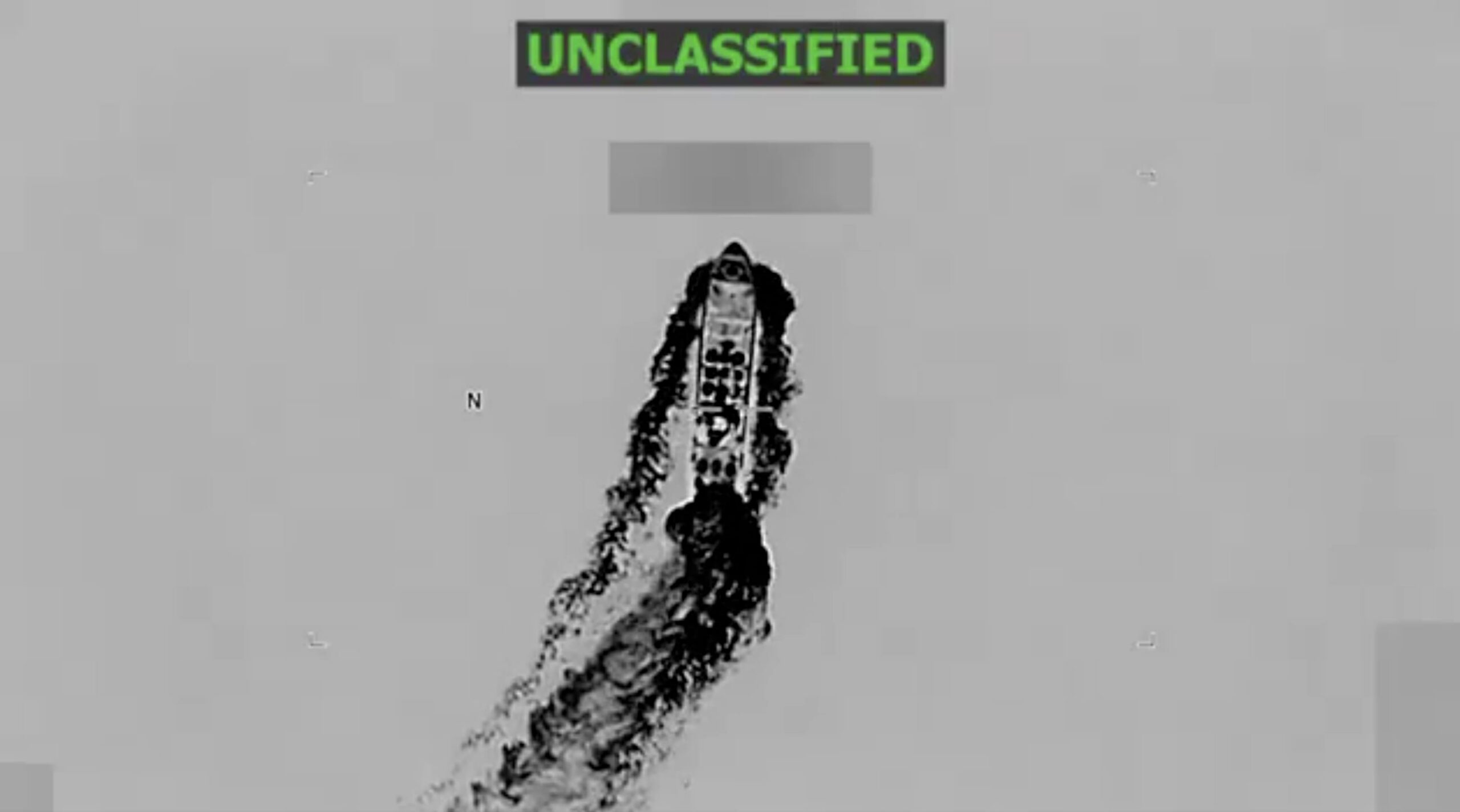
According to CBS News, U.S. Southern Command said the strike hit alleged traffickers moving along known smuggling routes in the eastern Pacific. The military did not publicly present evidence that drugs were on the vessel, even as it described the target as part of trafficking networks.
What it did provide was a piece of optics. Southern Command posted a video on X showing a small boat exploding on open water, a visual that travels faster than any after-action report, and answers questions it does not quite address.
Trump Calls It Conflict, Critics Call It a Legal Trap
President Trump has framed the campaign as something bigger than interdiction, saying the U.S. is in “armed conflict” with cartels in Latin America, according to CBS News. That framing raises the stakes because it nudges these strikes toward the language of war, with all the legal arguments, oversight demands, and accountability battles that come with it.
Critics, cited by CBS News, have questioned both the legality and the effectiveness of striking small vessels at sea, especially when much of the fentanyl driving U.S. overdose deaths is typically moved over land through Mexico. In other words, the administration is spending military power on one pathway while the deadliest product is often tied to another.
Allies Get the Pitch, and Congress Gets the Fallout
Trump has also tried to internationalize the approach. CBS News reported that he urged Latin American leaders to join U.S. military action against cartels and transnational gangs, and noted that Ecuador and the United States conducted operations against organized crime groups in Ecuador.
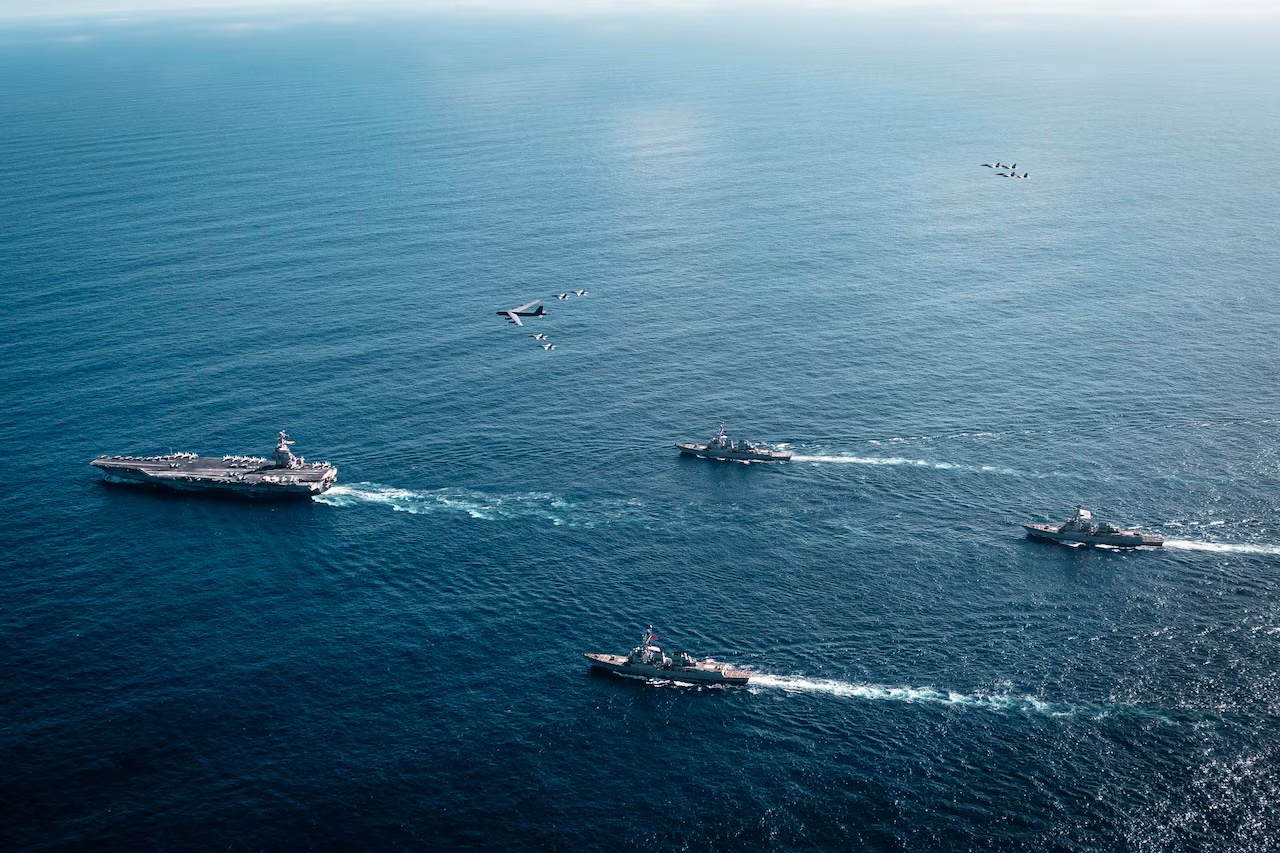
The political risk is not just abroad. CBS News reported that the strikes drew intense criticism after a revelation involving a follow-up strike that killed survivors from the first boat attack, a detail that hardened the debate from “is this working?” to “is this lawful?” That is the kind of fact pattern that does not stay confined to briefings for long, particularly if lawmakers, courts, or watchdogs force more disclosure about how targets are identified and what standards are being used.
For now, the administration is betting that cartel branding, regional pressure, and dramatic footage can carry a campaign where the numbers are clear, and the underlying proof is mostly offstage.