Hillary Clinton is not fighting a subpoena this time. She is fighting for the lighting.
After agreeing to testify in the House Oversight Committee’s Jeffrey Epstein investigation, the former secretary of state is now demanding the kind of forum that changes everything: a public hearing, with cameras, in front of a country that already thinks it knows the plot.
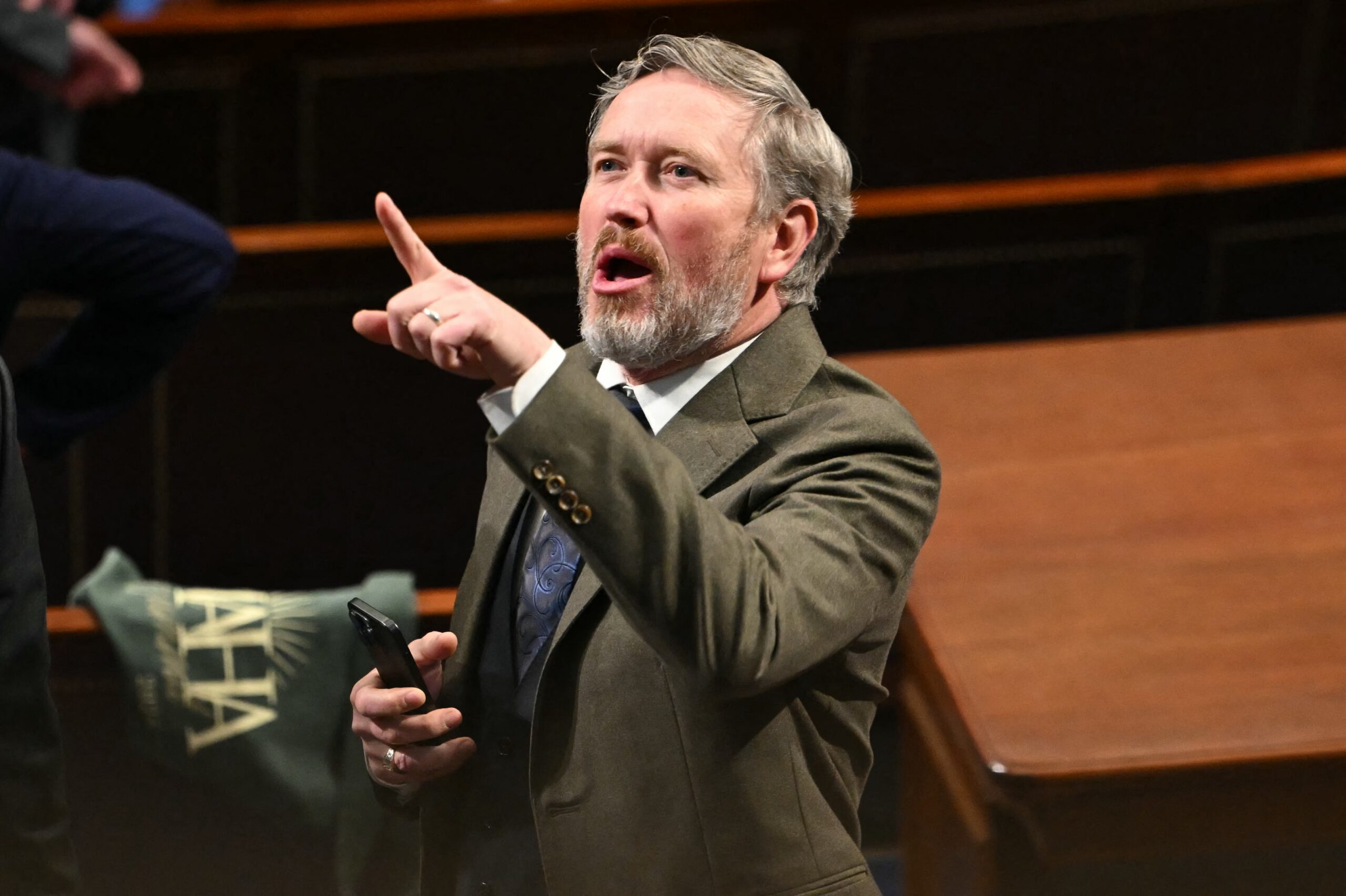
And with that one move, Clinton turned a routine, closed-door congressional deposition into a made-for-TV power contest between her and the committee chairman, Rep. James Comer, a Kentucky Republican who has built a brand on aggressive oversight and talk of transparency.
A Subpoena Is One Thing, but the Venue Is the Weapon
According to The Associated Press, published by PBS NewsHour, Hillary Clinton and former President Bill Clinton have agreed to testify before the House Oversight Committee as part of its Epstein investigation. But Clinton is publicly calling for that testimony to happen in an open hearing instead of behind closed doors.
On social media, she addressed Comer directly and challenged him on the committee’s preferred format.
“You love to talk about transparency. There’s nothing more transparent than a public hearing, cameras on.”
⚖️ Hillary Clinton to Comer: Hold Epstein testimony publicly with cameras on. Transparency battle after deposition deal? #Epstein #Congress #Oversight
Details: https://t.co/1MiJ9Hupkj pic.twitter.com/FWvdDDz0qM
— UnfilteredView (@UnfilterdView) February 5, 2026
Comer, for his part, has said he will insist on private depositions, although he has also said they would be videotaped and transcribed. In other words, private in the room, public in the record, eventually. It is a familiar compromise in congressional investigations, and it is also a familiar argument starter.
The split matters because the format dictates the leverage. A private deposition lets investigators probe, interrupt, and test a witness without the pressure of a live audience. A public hearing lets witnesses deliver practiced lines, aim for sound bites, and turn the committee into a stage.
Clinton, a veteran of public interrogations, is signaling that she would rather take the stage than take the back room.
Comer’s Problem: ‘Transparency’ Has a Schedule, and Clinton Knows It
Comer is not being subtle about what he wants. He wants depositions at the end of the month, in private, with a recording and transcript. That format gives the committee maximum flexibility. It also gives Comer control over when the public sees the most damaging parts, if any exist.
Clinton’s counteroffer is not just about openness. It is about timing and narrative control.
A public hearing creates instant, live accountability for everyone in the room, including lawmakers. It also means any clip that makes a witness look evasive, defensive, or overly cute goes viral in real time. Clinton has spent years watching congressional hearings become partisan theater. She is now volunteering for the theater, but only if the cameras cannot be turned off.
Comer, meanwhile, is trying to hold onto the committee’s standard tool kit while maintaining the posture of transparency. A taped, transcribed deposition is a transparency argument. It is just not an immediate one.
This is the tension Clinton is exploiting. If transparency is the brand, why not do it live?
Why the Clintons Are Back in the Epstein Orbit
Jeffrey Epstein, the financier who faced federal sex trafficking charges before he died in custody in 2019, left behind a wreckage field that still intersects with politics, money, fame, and institutional credibility. Any new congressional investigation into Epstein is going to hunt in the same places: who had access, who had influence, and who benefited from proximity.
The committee’s interest in the Clintons is not new. Epstein’s social network included powerful names across industries and parties, and the Clintons have long been pulled into public speculation about who knew what and when. That is a reputational hazard, even when the public record is mostly about association, travel, and social overlap rather than charged conduct.
For the Clintons, the immediate goal is obvious: show up, testify, and get out with the least possible room for insinuation. A public hearing, in their view, can be a controlled burn. A closed-door deposition can be mined for selective leaks and dragged into months of drip-feed narratives.
Acrimony Is the Point, Not a Side Effect
This fight did not start with Clinton’s “cameras on” line. According to PBS NewsHour, the House Oversight panel subpoenaed both Clintons in August, and the dispute has escalated into what PBS described as acrimony between the sides.
That acrimony is not accidental. Oversight investigations are political by design. The committee wants compliance and testimony on its terms. The Clintons want to comply without giving opponents an editing bay full of raw material.
When Clinton calls for a public hearing, she is also calling Comer’s bluff in a way that forces him to answer a question he would rather avoid: Is the goal transparency, or is the goal control?
Comer can respond that depositions are standard practice, and he would be right. He can argue that private questioning produces cleaner facts, and he would have history on his side. But Clinton is not arguing about procedure. She is arguing about trust, and she is daring him to operate without the protection of closed doors.
Optics, Not Just Answers, Are on the Line
Public hearings create winners and losers quickly. They also create permanent footage. That is why both parties often fear them, even when they publicly demand them.
Clinton has a reason to prefer the public format. She has survived high-profile hearings before and has shown she can handle extended questioning without collapsing into a headline-making meltdown. A public hearing gives her the chance to appear direct and unhidden, and it gives her allies and defenders a clear artifact to point to later.
Comer has reasons to resist. Private depositions allow committee staff to build a record, test details, and potentially catch contradictions without giving a witness the ability to filibuster for the cameras. If the committee believes there are specific facts to extract, it may not want the witness to perform. It may want the witness boxed in.
That gets to the deeper contradiction: Both sides say they want transparency. Both sides want the format that benefits them.
What Happens Next: Watch the Format Fight, Then Watch the Edit Fight
The most realistic outcome is that the committee sticks to depositions first, then decides later whether to call any public hearings based on what is learned. That approach would preserve the committee’s investigative advantage while leaving the door open to a televised sequel.
If that happens, expect the next battle to be about release timing. “Videotaped and transcribed” sounds straightforward until it becomes a question of who releases what, when, and with how much context. A partial clip can define a witness before the transcript is even posted. A transcript without video can miss tone and emphasis. A video without full questioning can hide the setup.
For now, Clinton has done what experienced political fighters do. She picked the battlefield before the first question is asked. And she chose the one with the most sunlight, the most risk, and the most upside.
Whether Comer gives her the stage is the next tell.